
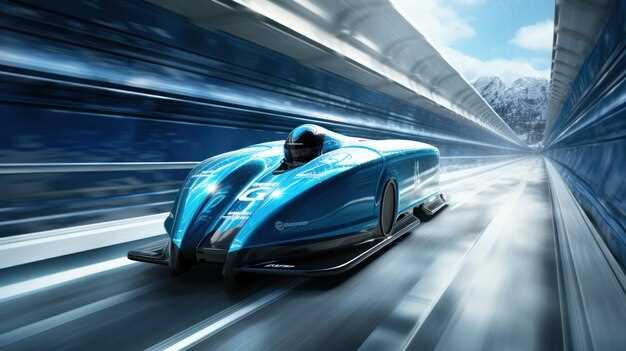
In the world of racing, the transformative power of technology is becoming increasingly apparent as electric race cars take center stage. The evolution from traditional fuel-powered engines to cutting-edge electric drivetrains is not merely a trend; it represents a pivotal shift in automotive performance and sustainability. As manufacturers invest heavily in research and development, the implications of this transition are profound, reshaping the landscape of competitive motorsport.
Electric race cars are pushing the boundaries of what’s possible on the track, showcasing superior acceleration, enhanced aerodynamics, and advanced energy management systems. With instant torque delivery and a reduced center of gravity, these vehicles are not only more efficient, but they also provide drivers with an exhilarating experience that rivals and often surpasses their combustion counterparts. The integration of sophisticated technologies, such as regenerative braking and real-time telemetry, further enhances the performance, allowing teams to optimize their strategies on the fly.
As the racing community embraces these innovations, the future of motorsports is poised for a significant transformation. This new era of electric racing not only highlights the potential for peak performance but also emphasizes the importance of environmental responsibility. By prioritizing sustainability without compromising speed, electric race cars are redefining what it means to compete at the highest levels, setting a new standard for the industry and inspiring future generations of engineers and drivers alike.
How EV Technology Enhances Speed and Agility on the Track
Electric vehicle (EV) technology significantly transforms the racing landscape, offering unprecedented speed and agility that traditional combustion engines struggle to match. Central to this evolution is the electric powertrain, which provides instantaneous torque. This characteristic allows race cars to accelerate rapidly from a standstill, giving drivers a crucial advantage during starts and overtaking maneuvers.
Additionally, the lightweight design of many EVs, facilitated by innovations in battery and materials technology, contributes to enhanced performance on the track. Advanced battery systems are not only compact but also strategically placed within the chassis to improve weight distribution. This optimization results in superior handling and stability during high-speed cornering.
Regenerative braking is another hallmark of EV technology that impacts racing. This system recovers kinetic energy during deceleration, recharging the battery while simultaneously allowing for shorter braking distances. As a result, drivers can maintain higher average speeds throughout a race, maximizing their performance potential.
Moreover, the quiet operation of electric race cars enables improved aerodynamics. Without the need for complex exhaust systems, designers can create more streamlined shapes, reducing drag and enhancing top speeds. These advancements showcase how racing teams leverage technology not only to compete but to redefine performance standards within the sport.
Sophisticated traction control and torque vectoring mechanisms in EVs further elevate their agility. These systems intelligently distribute power to individual wheels, allowing for better grip and responsiveness. On challenging tracks, this capability enables drivers to navigate corners more effectively, enhancing their competitive edge.
In conclusion, the integration of electric vehicle technology into racing continues to push the boundaries of speed and precision. By harnessing the inherent advantages of EV systems, teams and manufacturers are reshaping what it means to perform at the highest levels of motorsport, hinting at a future where electric prowess becomes synonymous with racing excellence.
Comparing Battery Performance: Traditional vs. Electric Race Cars
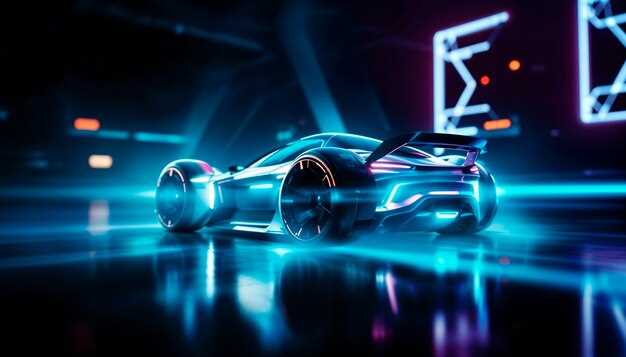
As the automotive industry evolves, the performance standards for race cars are being redefined by electric vehicle (EV) technology. One of the most significant areas of comparison is battery performance, which plays a crucial role in determining the overall efficiency and capability of a race car.
Traditional race cars typically rely on internal combustion engines (ICE) that utilize gasoline or other fossil fuels. Their performance is often constrained by the energy density of fuel, which, while powerful in short bursts, cannot match the sustained energy levels provided by advanced battery technology in EVs. Traditional engines can produce high horsepower and torque rapidly; however, they require frequent refueling and generate heat, which can limit performance over longer races.
In contrast, electric race cars exploit lithium-ion batteries, which offer higher energy density and can deliver consistent power output without the fluctuations associated with fuel combustion. The immediate torque from electric motors allows for rapid acceleration, enhancing performance on the track. Additionally, advancements in battery cooling technology have led to better thermal management, enabling EVs to maintain peak performance for extended periods without overheating.
Battery performance also encompasses aspects such as recharge times and energy efficiency. Modern EV race cars benefit from rapid charging solutions, allowing them to spend less time in the pits and more time on the track. In terms of energy efficiency, electric drive systems convert a higher percentage of stored energy into usable power compared to traditional engines, leading to longer range and lower operational costs.
Furthermore, the environmental impact of battery performance cannot be overlooked. Electric race cars produce zero tailpipe emissions, contributing to a cleaner racing environment. The use of renewable energy sources for charging can further reduce the carbon footprint associated with racing.
In summary, battery performance in electric race cars significantly outpaces traditional combustion engines due to technological advancements. The combination of rapid acceleration, efficient energy use, and reduced environmental impact positions EVs as the future of performance racing, setting new standards for speed and sustainability on the track.
The Role of Aerodynamics in Electric Vehicle Racing Design

Aerodynamics plays a crucial role in the design of electric vehicle (EV) racing cars, fundamentally influencing their performance and efficiency. In racing, where every millisecond counts, reducing drag and maximizing downforce are vital for achieving higher speeds and enhanced stability on the track. The streamlined shape of EVs is meticulously crafted to minimize air resistance, allowing these vehicles to cut through the wind more efficiently than their gasoline counterparts.
The importance of aerodynamics is particularly pronounced in electric racing, where the weight distribution and power-to-weight ratio can differ significantly from traditional race cars. EVs often require careful consideration of aerodynamics to ensure optimal handling and cornering capabilities. For instance, many racing teams are integrating underbody diffusers and active aerodynamic components that adjust in real-time to changing track conditions, further enhancing performance.
Additionally, manufacturers are leveraging advanced computational fluid dynamics (CFD) to simulate airflow and fine-tune vehicle shapes before physical prototypes are built. This approach allows engineers to test various designs and configurations quickly, pinpointing the most effective aerodynamics for specific racing conditions. The integration of aerodynamic elements such as rear wings, side skirts, and canards also contribute to better downforce, which is essential for maintaining traction during high-speed maneuvers.
Moreover, effective aerodynamic design not only enhances speed but also contributes to battery efficiency in EV racing. The less energy that is expended combating drag, the more power is available for propulsion. As a result, teams can optimize their race strategies, maximizing both speed and battery life throughout the competition.
In summary, aerodynamics is an essential aspect of electric vehicle racing design, impacting speed, efficiency, and overall performance. Continuous innovations in this field are crucial as the racing industry embraces the future of electric vehicles, pushing the boundaries of what’s possible on the racetrack.


