
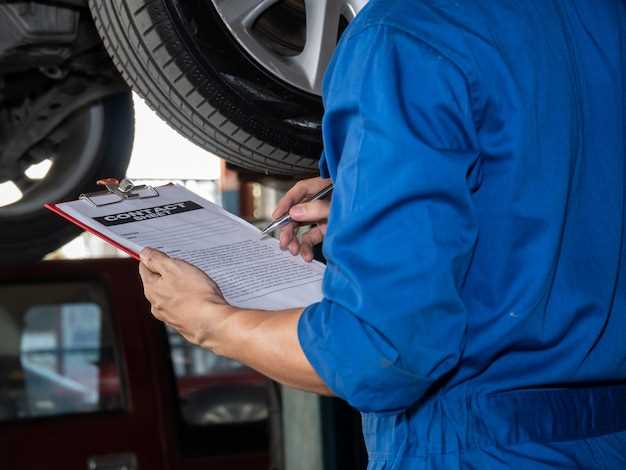
Preparing for a race involves more than just an adrenaline rush; it requires a meticulous check of your vehicle to ensure optimal performance on the track. A thorough pre-race vehicle inspection is essential for both safety and efficiency, allowing drivers to maximize their competitive edge while minimizing the risk of mechanical failures during the event.
Safety should always be the top priority before any race. A well-executed inspection can identify potential issues that could lead to catastrophic failures on the track. By taking the time to address these concerns early, drivers can not only protect themselves but also others on the course. Understanding the critical components of your vehicle that need to be checked can make all the difference in achieving an outstanding race day performance.
This article will guide you through key areas to focus on during your pre-race inspection. From tire integrity to fluid levels, each aspect will be covered to ensure that your vehicle is racing-ready. Implementing these tips will boost not just your confidence but also contribute significantly to your overall racing experience.
Conducting a Thorough Safety Check Before Race Day

Before you hit the track, conducting a thorough safety check of your vehicle is crucial to ensure optimal performance and reduce the risk of mechanical failures during the race. Here are essential steps to prep your vehicle effectively:
- Brakes:
- Inspect brake pads for wear and replace if necessary.
- Check brake fluid levels and quality.
- Examine brake lines for leaks or damage.
- Tires:
- Ensure tire pressure is set according to manufacturer recommendations.
- Check for uneven wear or damage, replacing tires as needed.
- Examine tread depth to guarantee adequate grip on the track.
- Fluids:
- Check engine oil level and look for signs of contamination.
- Ensure coolant levels are sufficient to prevent overheating.
- Inspect transmission fluid for optimal performance.
- Battery:
- Check battery terminals for corrosion and clean if necessary.
- Test battery charge to ensure it can handle race conditions.
- Suspension:
- Examine shock absorbers for leaks and performance.
- Check alignment to optimize handling on the track.
- Inspect bushings for wear and replace if needed.
- Safety Equipment:
- Verify that seat belts are functioning and in good condition.
- Ensure that the roll cage meets safety regulations.
- Check that fire extinguishers are accessible and charged.
By meticulously following these steps, you can ensure your vehicle is fully prepared to tackle the challenges of race day while prioritizing safety for yourself and other competitors.
Key Track Preparation Steps for Enhanced Grip and Performance
To ensure optimal performance and safety on race day, thorough track preparation is essential. Here are some key steps to consider for enhancing grip and overall track conditions.
1. Track Surface Inspection: Before any competition, conduct a detailed check of the track surface. Look for any irregularities such as cracks, debris, or loose gravel. These can negatively impact grip and should be addressed promptly to maintain safe racing conditions.
2. Sweeping and Cleaning: A clean track is crucial for superior performance. Utilize track sweepers or manual cleaning methods to remove dirt, dust, and any non-track materials. This will help ensure better tire contact and enhance grip during races.
3. Tire Pressure Evaluation: Check tire pressures according to manufacturer recommendations and specific track conditions. Adjustments may be necessary based on the surface temperature and weather conditions to optimize grip and handling.
4. Temperature Monitoring: Track temperature can significantly affect grip levels. Use infrared thermometers to monitor various sections of the track. This will help you determine the best times for racing and optimize tire performance.
5. Weather Assessment: Always check the weather forecast leading up to race day. Rain or excessive heat can dramatically change track conditions. Knowing what to expect allows for better preparation, including adjustments to tire compounds or suspension settings for enhanced grip.
6. Pre-Race Briefing: Organize a pre-race meeting with all participants to discuss safety protocols and any potential hazards observed during inspection. This ensures that everyone is aware of the track conditions and can implement necessary precautions to maintain safety during the race.
7. Practice Runs: Finally, conduct practice runs to evaluate how well your vehicle performs on the prepared track. This real-time assessment will help identify any additional adjustments needed to enhance grip and overall performance during the actual race.
By diligently following these track preparation steps, racers can significantly improve grip and performance while ensuring safety on race day.
Common Vehicle Issues to Identify During Pre-Race Inspections

Before hitting the track, it’s essential to conduct a thorough prep of your vehicle to ensure optimal performance. Identifying common vehicle issues can prevent potential breakdowns and enhance your racing experience.
First, inspect the tires for proper inflation and tread depth. Uneven wear or insufficient air pressure can significantly affect grip and handling on the track. Check for any visible damage such as cuts or bulges that could lead to a tire failure during the race.
Next, assess the brake system, focusing on the brake fluid levels, pad thickness, and any unusual noises when brakes are applied. Effective brakes are crucial for safe and reliable stops, especially during high-speed racing conditions.
Don’t overlook the engine fluids. Check oil levels, coolant, and transmission fluid to ensure that engines run smoothly and efficiently. Low fluid levels or old, degraded fluids can lead to overheating or mechanical failures during the race.
Additionally, examine the suspension components, including shocks and struts. Look for signs of leaks or wear, as a failing suspension can negatively impact cornering stability and overall vehicle control on the track.
Finally, pay attention to electrical systems such as the battery, wiring, and lights. Ensure all connections are secure, and the battery is fully charged. Malfunctions in any electrical component can disrupt race performance and lead to unexpected issues.
By diligently checking these common vehicle issues during pre-race inspections, you can maximize your vehicle’s performance and enhance your chances of a successful race day.


