
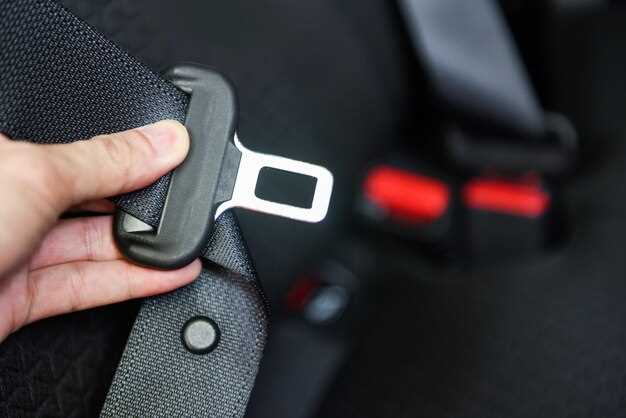
The importance of seat belts and harnesses in ensuring passenger safety cannot be overstated. In the automotive world, proper installation and adherence to regulations are critical for maximizing the effectiveness of these systems. Understanding the relevant standards and guidelines can help both manufacturers and consumers make informed decisions when it comes to seat harness systems.
Various organizations and governmental bodies have established regulations that dictate the design, performance, and installation of seat belts and harnesses. These standards not only aim to protect passengers during a collision but also emphasize the need for correct installation to ensure optimal functionality. This guide will provide an overview of the essential regulations, common installation practices, and the significance of adhering to these guidelines for enhanced safety.
In addition to understanding regulations, it is crucial to know the correct methods for installing seat harnesses. An improperly installed harness can negate the safety benefits it is designed to provide. This guide will outline best practices for ensuring your seat harness system is installed correctly, allowing you to ride with confidence, knowing you have taken the necessary steps to protect yourself and your passengers.
Understanding Seat Harness Safety Standards
Seat harness safety standards are essential for ensuring the protection of individuals during various activities, such as driving, racing, or participating in aviation. These standards provide guidelines for the design, testing, and installation of harnesses and belts to minimize the risk of injury in case of an accident.
One of the key organizations responsible for establishing these standards is the Society of Automotive Engineers (SAE), which sets the norms for automotive harness systems. Similarly, the Federal Aviation Administration (FAA) outlines regulations for aviation safety equipment, including seat belts and harnesses used in aircraft. Compliance with these standards ensures that manufacturers produce reliable and effective safety devices.
Seat harnesses are typically constructed from durable materials that can withstand significant forces encountered during a crash. The effectiveness of a harness is measured by its ability to distribute impact forces across a wider body area, thereby minimizing concentrated pressure points that could lead to serious injuries. The design includes features like adjustable straps, locking mechanisms, and quick-release systems to provide stability and ease of use.
Testing methods for harnesses involve crash simulations that evaluate the performance of the belts under various conditions. These tests assess factors such as tensile strength, resistance to wear, and the integrity of attachment points. Manufacturers must also perform regular inspections to ensure that the harness remains in good working condition throughout its lifespan.
To meet safety standards, consumers should always verify that the seat harnesses and belts they purchase are certified by relevant regulatory bodies. Look for labels or markings indicating compliance with established safety guidelines. Proper installation and adjustment of the harness are equally critical, as an improperly fitted harness can compromise safety and negate the benefits of compliance with safety standards.
In conclusion, understanding seat harness safety standards is fundamental for anyone using these safety devices. Adhering to guidelines set by authoritative organizations, ensuring the integrity of harness components, and performing correct installations are vital steps in enhancing safety and reducing injury risk in any situation requiring harness and belt usage.
Step-by-Step Installation of Seat Belts and Harnesses
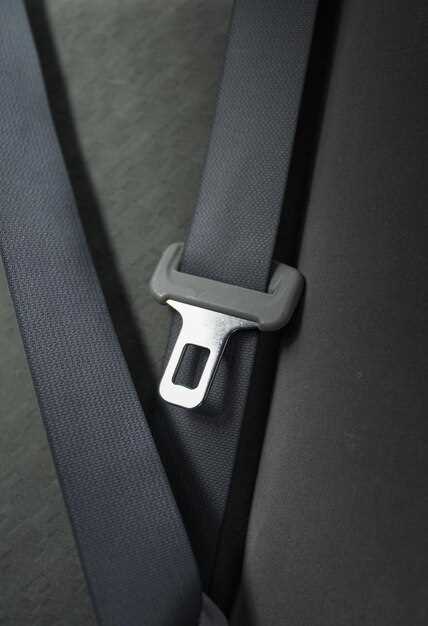
Installing seat belts and harnesses correctly is essential for safety in any vehicle. Follow these steps to ensure proper installation.
1. Gather Necessary Tools and Materials: Before starting the installation, collect all required tools, including a wrench, screwdriver, and necessary mounting hardware specific to your vehicle model. Ensure you have the seat belts or harnesses ready for installation.
2. Read Manufacturer’s Instructions: Carefully review the installation manual provided by the manufacturer of the seat belts or harnesses. Each model may have specific requirements and guidelines that are crucial for safe installation.
3. Prepare the Vehicle: Remove any existing seat covers or components that may obstruct access to the seat mounting points. Ensure the vehicle is parked on a flat surface and the ignition is off to prevent any accidental starts during the process.
4. Locate Mounting Points: Identify the designated mounting points for the seat belts or harnesses. These locations are typically marked or outlined in the vehicle’s manual. Ensure the points are structurally sound and free from corrosion or damage.
5. Install Lap Belts: For traditional lap belts, position the retractor mechanism according to the manufacturer’s instructions. Attach the belt to the designated mounting points, ensuring that the belt is positioned low across the hips for maximum safety.
6. Install Shoulder Harnesses: If using a harness system, determine the correct angle at which the shoulder straps should be installed. They typically need to be positioned at a 45-degree angle from the shoulder to the seat. Attach the straps to the specified mounting points, ensuring they are secured tightly.
7. Check Adjustments: After all straps are secured, make adjustments to ensure a snug fit. The belts should not have excessive slack. Ensure that the adjusters are easily accessible for future adjustments.
8. Test the Installation: Once the installation is complete, perform a thorough check. Pull the belts to ensure they lock into place properly and release smoothly. Test the harnesses by simulating the force that would be applied in a sudden stop.
9. Conduct Regular Maintenance: After installation, regularly inspect the seat belts and harnesses for wear and tear. Ensure that all components are functioning correctly and replace any damaged parts immediately to maintain safety standards.
By following these steps, you can ensure that the seat belts and harnesses in your vehicle are installed correctly, providing maximum protection for all occupants.
Common Mistakes in Harness Use and How to Avoid Them
Using a seat harness correctly is vital for safety and optimal performance. However, there are common mistakes that users often make. This section outlines these mistakes and provides guidance on how to avoid them.
- Incorrect Size and Fit:
One of the most frequent errors is using a harness that doesn’t fit properly. An ill-fitting harness can lead to discomfort and ineffective protection.
- Always measure your waist and torso before purchasing a harness.
- Try on different models and adjust the straps to ensure a snug fit.
- Improper Adjustment of Belts:
Belt adjustments are crucial for the effectiveness of a harness. Neglecting to adjust the straps can compromise safety.
- Make it a habit to check and adjust the harness belts before each use.
- Ensure that the leg and chest belts are tight but allow for movement.
- Failure to Inspect the Harness:
Regular inspections of the harness are essential but often overlooked. Small damages can escalate into safety risks.
- Examine the harness for fraying, cuts, or other signs of wear.
- Inspect the stitching and hardware for integrity before use.
- Using the Harness for Unintended Purposes:
Each harness is designed for specific activities. Using them outside their intended scope can lead to potential failure or accidents.
- Refer to the manufacturer’s guidelines on the correct usage of the harness.
- Avoid using a seat harness for activities such as climbing without proper accreditation.
- Inadequate Training:
Using a harness without proper training can result in misuse. Understanding how to correctly wear and adjust a harness is critical.
- Participate in training sessions for proper harness use.
- Consult experienced users or instructors for guidance.
By addressing these common mistakes, users can enhance their safety and enjoy a more effective harness experience. Always stay informed and prioritize precautionary measures when using seat harnesses.


