
The landscape of UK motorsport is set to undergo significant transformations in 2025, as a series of new regulations and changes are implemented. These changes are intended to address evolving standards in safety, sustainability, and competitive fairness within the racing community. As competitors and teams prepare for the upcoming season, understanding these new laws is crucial for compliance and strategic planning.
Among the most notable updates are modifications to vehicle specifications, which aim to enhance performance while minimizing environmental impact. This shift not only caters to the growing demand for greener practices but also aligns with global trends in motorsport. Additionally, the regulations surrounding driver conduct and team operations are being refined, ensuring that all participants adhere to the highest standards of professionalism and sportsmanship in every race.
As 2025 approaches, the focus on education and training will be paramount, enabling all stakeholders to adapt seamlessly to the new regulations. Engaging in early discussions and workshops will be essential for teams and drivers to navigate the implications of these regulatory changes. In this article, we will delve into the key updates and explore how they will shape the future of UK motorsport.
Understanding New Safety Standards for Drivers and Teams
The UK motorsport landscape is set to evolve significantly in 2025 with the introduction of new safety regulations designed to enhance protection for drivers and teams. These regulations are not just recommendations but become law, ensuring compliance across all racing categories. The changes aim to create a safer environment within the competitive sphere while maintaining the excitement of the sport.
One of the key aspects of the new rule changes involves mandatory enhancements to driver safety gear. All competitors will be required to utilize advanced helmets equipped with improved impact resistance features, reducing the likelihood of head injuries during accidents. Additionally, suits and gloves must now meet higher performance standards to protect against fire hazards, ensuring that teams prioritize the well-being of their drivers.
An essential update pertains to vehicle safety inspections. Teams will face stricter regulations regarding the structural integrity of race cars. Periodic checks will be mandated to assess the efficacy of safety cells, seat structures, and harness systems. Breaking these rules not only jeopardizes the driver’s safety but can result in penalties that may affect a team’s championship standings.
The creation of a centralized safety database is also on the horizon. This resource will serve as a repository for safety incidents, modifications, and compliance records. By analyzing this data, governing bodies can continually refine safety protocols, ensuring that teams and drivers adapt to emerging risks within the racing environment.
In conclusion, the new safety standards for drivers and teams set to take effect in 2025 represent a significant shift in UK motorsport regulations. By establishing comprehensive safety laws and reinforcing the commitment to racer protection, the governing bodies aim to foster a culture where safety becomes a fundamental aspect of racing, ultimately saving lives and keeping the sport thriving.
Impact of Environmental Regulations on Motorsport Practices
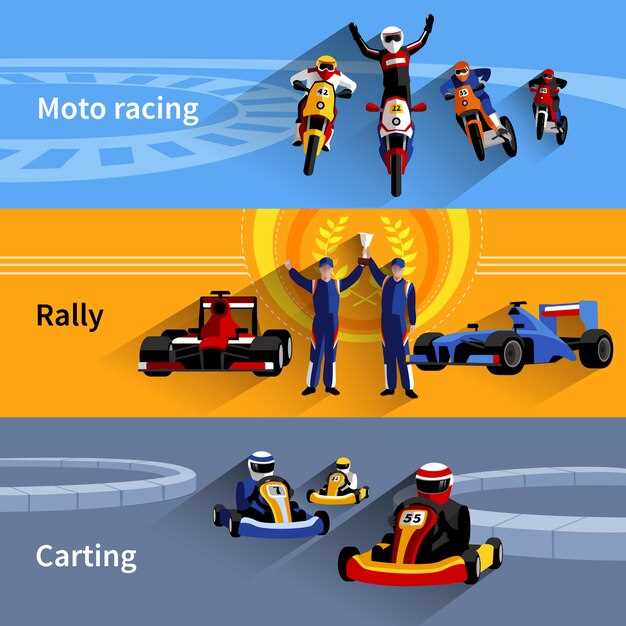
The introduction of stringent environmental regulations in the UK motorsport scene leading up to 2025 signifies a pivotal shift in racing practices. As governing bodies seek to address climate change, these changes bring about new rules aimed at reducing the carbon footprint of motorsport activities. This transformation is set to influence not only vehicle design and technology but also the overall strategy of race teams and event organizers.
One of the most significant changes will involve the adoption of alternative fuels and hybrid technologies in racing vehicles. Teams will be required to invest in research and development to comply with regulations that mandate lower emissions and sustainable fuel sources. This push will not only affect performance parameters but also necessitate a reevaluation of existing racing formats and classifications.
Additionally, the move towards more environmentally friendly practices may impact sponsorship and partnership approaches within the industry. Brands are increasingly aligning themselves with sustainability goals, thereby influencing the choices made by racing teams. Compliance with new rules will become essential for attracting sponsorships, as companies seek to collaborate with teams that promote eco-conscious initiatives.
Furthermore, the changes in regulations may lead to a redefined fan experience at motorsport events. Organizers might implement strategies to enhance sustainability within event logistics, including waste management practices and the use of renewable energy sources at tracks. This could foster a more environmentally aware culture among fans and participants alike, promoting wider acceptance of these changes in the motorsport community.
In conclusion, environmental regulations are transforming the landscape of UK motorsport, prompting racing teams to adapt their practices significantly. The necessity to comply with these new rules will drive innovation and sustainability within the industry, ultimately shaping the future of racing in the UK.
Changes to Licensing Requirements for Competitors and Officials
In 2025, significant changes to the licensing requirements for competitors and officials in UK motorsport will come into effect. These modifications aim to enhance safety protocols, streamline processes, and ensure compliance with evolving law and regulatory standards.
For competitors, the new regulations will mandate updated training programs that focus on both driving skills and theoretical knowledge of racing rules. This approach ensures that all participants are well-versed in safety procedures and the technicalities of the sport. Additionally, a renewed emphasis will be placed on environmental considerations, prompting competitors to demonstrate awareness of sustainability practices in racing.
Officials will also face revised requirements, including certification in advanced officiating techniques and a deeper understanding of regulatory compliance. These changes reflect the growing complexity of motorsport and the necessity for officials to maintain a thorough grasp of the laws governing the sport. Enhanced training sessions will be introduced to equip officials with necessary tools for effective decision-making during events.
Furthermore, the implementation of a more rigorous assessment process for both competitors and officials aims to create a higher standard of professionalism within the racing community. Regular evaluations and renewals of licenses will ensure that individuals remain current with the latest laws and adapt to any shifts in racing conditions.
Overall, these changes represent a pivotal step towards fostering a safer and more professionally regulated environment in UK motorsport, benefiting both competitors and officials while prioritizing the integrity of the sport.