
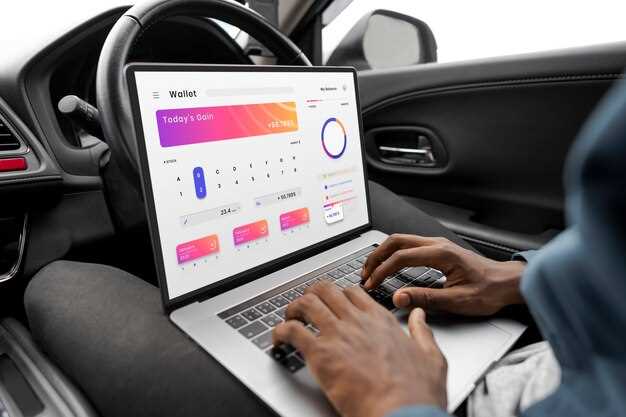
In the world of motorsport and automotive performance, the ability to analyze data in real-time is becoming increasingly crucial. Utilizing advanced telemetry systems provides teams and drivers with invaluable feedback that can dramatically enhance overall performance on the track. By collecting and interpreting a multitude of data points during races and practice sessions, drivers gain insights into their own behaviors and the vehicle’s responses, fostering continuous improvement.
The integration of telemetry technology allows for a deeper understanding of various factors influencing performance, such as speed, acceleration, and braking patterns. This data empowers drivers to fine-tune their techniques and make informed decisions that can ultimately lead to better race outcomes. Furthermore, real-time monitoring enables quick adjustments, ensuring that drivers are operating at their peak potential throughout the competition.
Moreover, the relationship between telemetry data and driver performance extends beyond mere statistics. It creates a feedback loop where drivers can reflect on their actions, learn from past experiences, and adjust their strategies accordingly. As teams leverage this wealth of information, they cultivate a culture of data-driven decision-making that not only optimizes individual performance but also enhances the collective effectiveness of the entire racing team.
Integrating Telemetry Data for Real-Time Driver Analysis
Real-time driver analysis has become a cornerstone in enhancing overall performance in motorsports and driving-related activities. By integrating telemetry data, teams and organizations can gather critical insights that significantly impact strategy, safety, and efficiency.
Telemetry data encompasses a wide array of information collected from various sensors installed in vehicles. This information includes speed, acceleration, braking forces, and engine performance metrics. When processed in real-time, these metrics provide immediate feedback to drivers, allowing them to make informed decisions during their performance.
To maximize the utility of telemetry data, it is essential to implement robust data analytics systems capable of processing vast quantities of information instantaneously. Advanced algorithms can analyze the data streams, highlighting areas where drivers excel or need improvement. For example, if a driver consistently exhibits delayed reaction times during a maneuver, telemetry data can reveal specific instances, enabling targeted coaching.
Furthermore, real-time feedback through telemetry can facilitate adaptive learning. Drivers can receive instant alerts about their driving techniques, allowing them to adjust in the moment rather than relying solely on post-race analysis. This immediate feedback loop enhances skill development and fosters a more dynamic and responsive driving style.
Integrating telemetry with visualization tools can also enhance comprehension. Graphical representations of data can help drivers and their teams understand intricate details about performance trends and make changes accordingly. By presenting information in an easily digestible format, drivers can quickly grasp areas that require attention.
In conclusion, the integration of telemetry data for real-time driver analysis revolutionizes the way performance is evaluated and improved. By utilizing immediate feedback and advanced analytics, drivers gain invaluable insights into their skills and behavior on the road or track, driving them towards continuous enhancement and greater competitive advantage.
Utilizing Feedback Loops to Foster Continuous Improvement
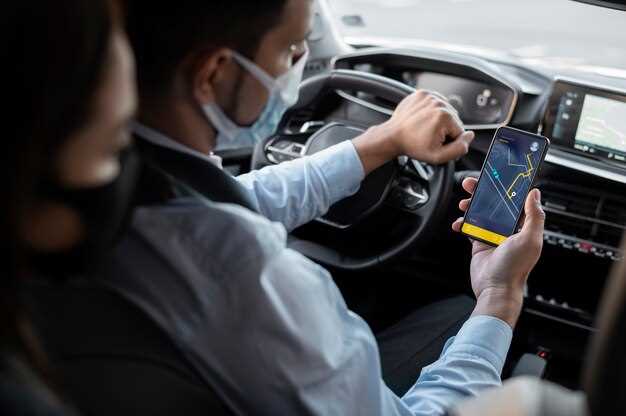
In the realm of driver performance, implementing effective feedback loops is crucial for fostering continuous improvement. These feedback mechanisms leverage telemetry data to provide drivers with actionable insights, enabling them to refine their skills and enhance their overall performance on the track.
Telemetry systems collect vast amounts of data during each session, capturing metrics such as speed, braking points, and throttle application. By analyzing this data, teams can identify patterns and areas of improvement for each driver. Integrating a feedback loop involves regularly reviewing this collected telemetry data with drivers and discussing specific performance aspects that need attention.
A key component of these feedback loops is the timely and constructive nature of the information provided. Feedback must be specific, focusing on particular telemetry metrics rather than general comments. For example, instead of saying a driver needs to improve their cornering, providing detailed telemetry insights about braking points, acceleration patterns, and G-forces allows for precise adjustments and learning.
Furthermore, creating a culture that encourages open communication between drivers and their coaches is essential. Drivers should feel comfortable discussing their performance and asking questions about the insights derived from the telemetry data. This collaborative approach leads to a better understanding of their driving habits and facilitates targeted improvements.
Ultimately, utilizing feedback loops enriched by telemetry not only enhances individual driver performance but also contributes to team success as a whole. As drivers continually refine their skills based on real-time data and constructive feedback, they harness the power of telemetry to achieve sustained excellence on the track.
Implementing Actionable Strategies Based on Telemetry Insights
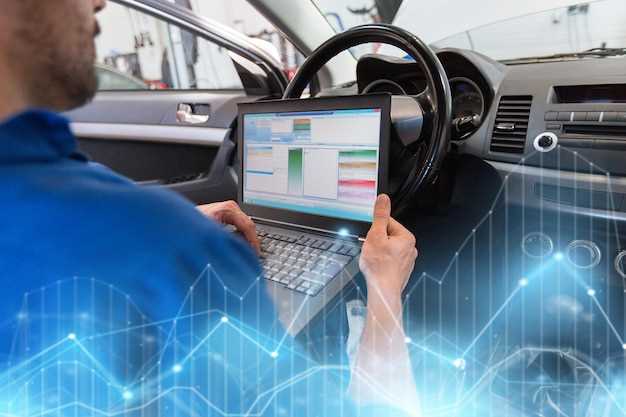
To effectively enhance driver performance, the application of telemetry insights is crucial. These insights provide a wealth of data that can be transformed into actionable strategies, enabling drivers to improve their skills and adapt their driving habits.
The first step in implementing these strategies is to analyze the telemetry data comprehensively. This data includes metrics such as speed, acceleration, braking patterns, and cornering forces. By identifying patterns and specific areas where a driver struggles, teams can develop targeted feedback mechanisms aimed at improvement.
One effective method is to create personalized feedback loops. After a session, drivers can receive detailed reports that highlight critical performance metrics. This feedback should include both quantitative data and qualitative observations, enabling drivers to understand the impact of their actions on overall performance.
Additionally, it is essential to set clear, measurable goals based on telemetry insights. For example, if data indicates that a driver is consistently braking too late, a specific target for optimizing braking points can be established. This goal-oriented approach not only fosters accountability but also provides a clear path for improvement.
Incorporating simulation training can also reinforce the feedback received from telemetry insights. By using realistic simulations, drivers can practice adapting their techniques in a controlled environment, allowing them to experiment with different strategies and observe the immediate outcomes of their adjustments.
Regular monitoring and adjustments based on telemetry data ensure that strategies remain relevant and effective. Teams should encourage drivers to continuously review their performance data, facilitating an ongoing learning process that promotes gradual improvement over time.
Ultimately, the successful implementation of actionable strategies derived from telemetry insights hinges on a collaborative approach. Establishing open lines of communication between drivers, coaches, and data analysts empowers teams to leverage data effectively, creating an environment focused on continuous growth and performance enhancement.


